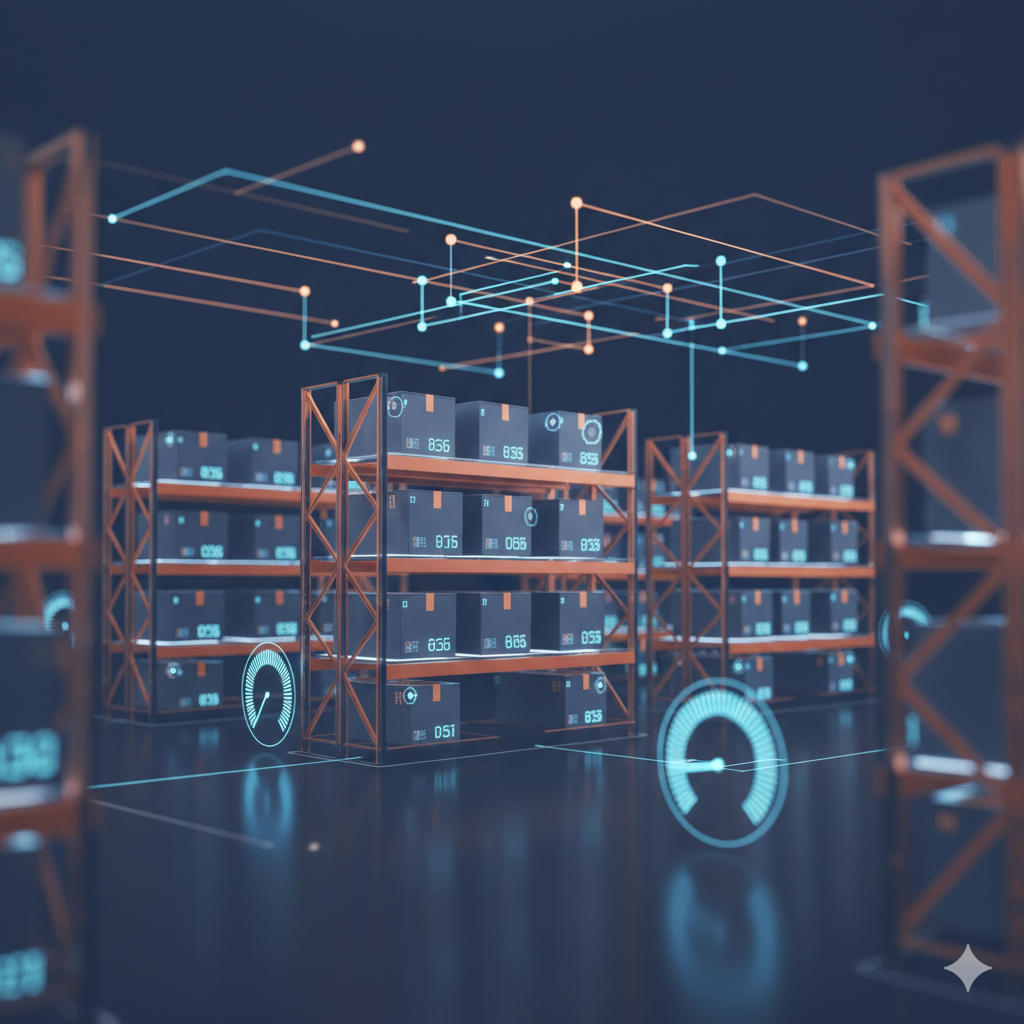
Why Stockouts Are More Expensive Than They Look
Stockouts feel like a simple inventory mistake — until you tally the real cost. When a top ASIN goes dark, you don't just lose today's sales. You lose momentum: your ads stop serving for out-of-stock items, you miss Featured Offer opportunities, and you spend the next week reacting instead of planning. That's why "inventory forecasting" shouldn't be a spreadsheet you update once a month. It should be a repeatable system you can run every week.
The Forecasting Inputs That Actually Matter
Start with a simple principle: forecast in "days of supply," not units. Units don't mean much without velocity. Days of supply forces you to look at the two numbers that matter most: how fast you're selling and how long replenishment takes.
1. Establish Your Replenishment Lead Time (and Be Honest)
Your lead time isn't just manufacturing or purchasing — it includes inbound shipping, check-in delays, and the time it takes inventory to become sellable. SellerLegend lets you store lead times at the SKU level and adjust them during peak season when everything slows down.
2. Separate Stable Demand from "Event Spikes"
One Prime-adjacent promotion can make your averages lie. In SellerLegend, tag promotional windows so your baseline forecast doesn't assume every week is a deal week.
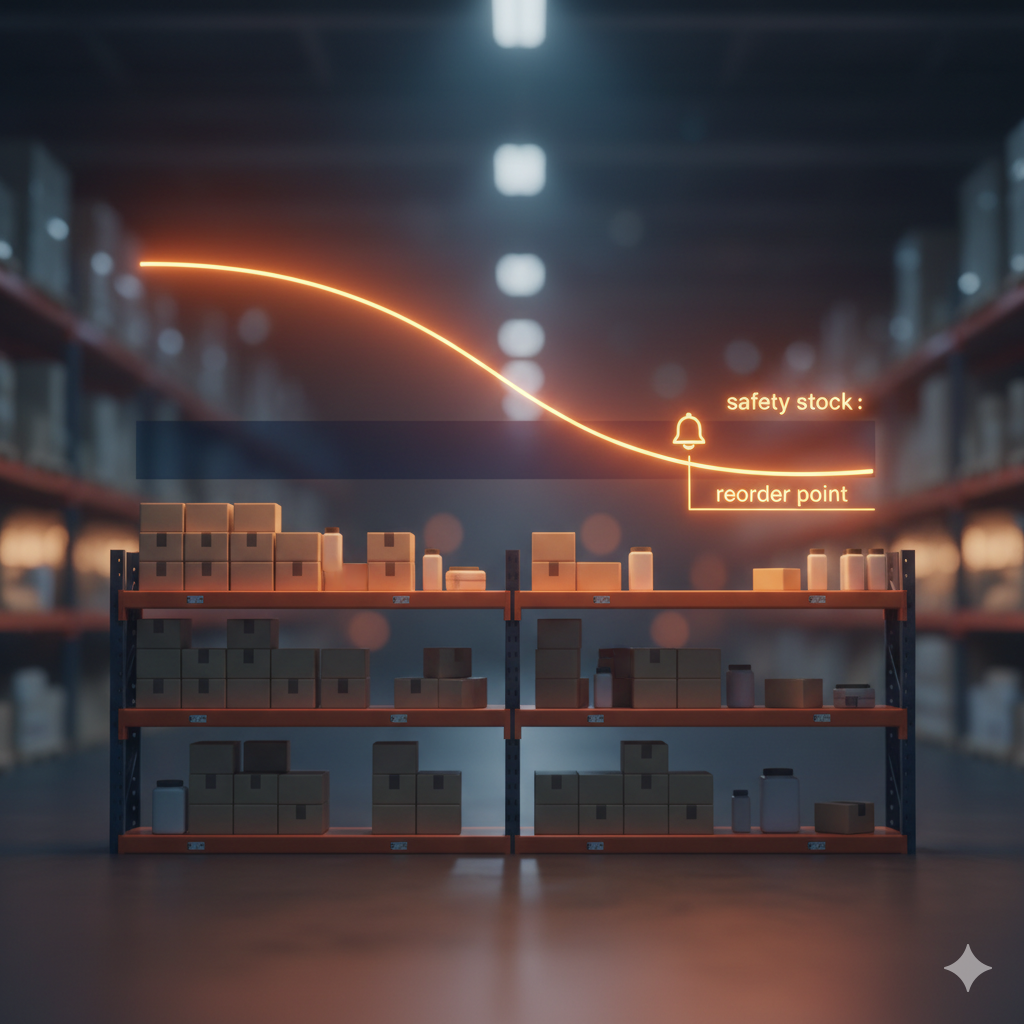
3. Build "Reorder Points" with Two Buffers
Most sellers use one safety stock. We recommend two:
- Shipping buffer: to cover transit and inbound variation
- Demand buffer: to cover volatility
SellerLegend flags SKUs where either buffer is being consumed faster than expected so you can intervene early — before the panic shipments start.
The Weekly Routine (30 Minutes)
Pick a fixed day (e.g., Monday). Review only three lists:
- "Risk of stockout in X days"
- "Excess inventory / slow movers"
- "High velocity + low coverage"
SellerLegend's dashboard keeps these lists stable and comparable week to week, so you're running a system — not chasing alerts.
Close the Loop with Outcomes, Not Guesses
After each replenishment cycle, compare what you predicted vs. what actually happened. Which SKUs consistently outrun the forecast? Which promotions created long tails? SellerLegend stores these deltas so your forecast improves over time.
Fewer Emergencies, Better Results
The goal isn't a perfect forecast. The goal is fewer emergencies. If you can prevent even one top-seller stockout per month, the system pays for itself.